
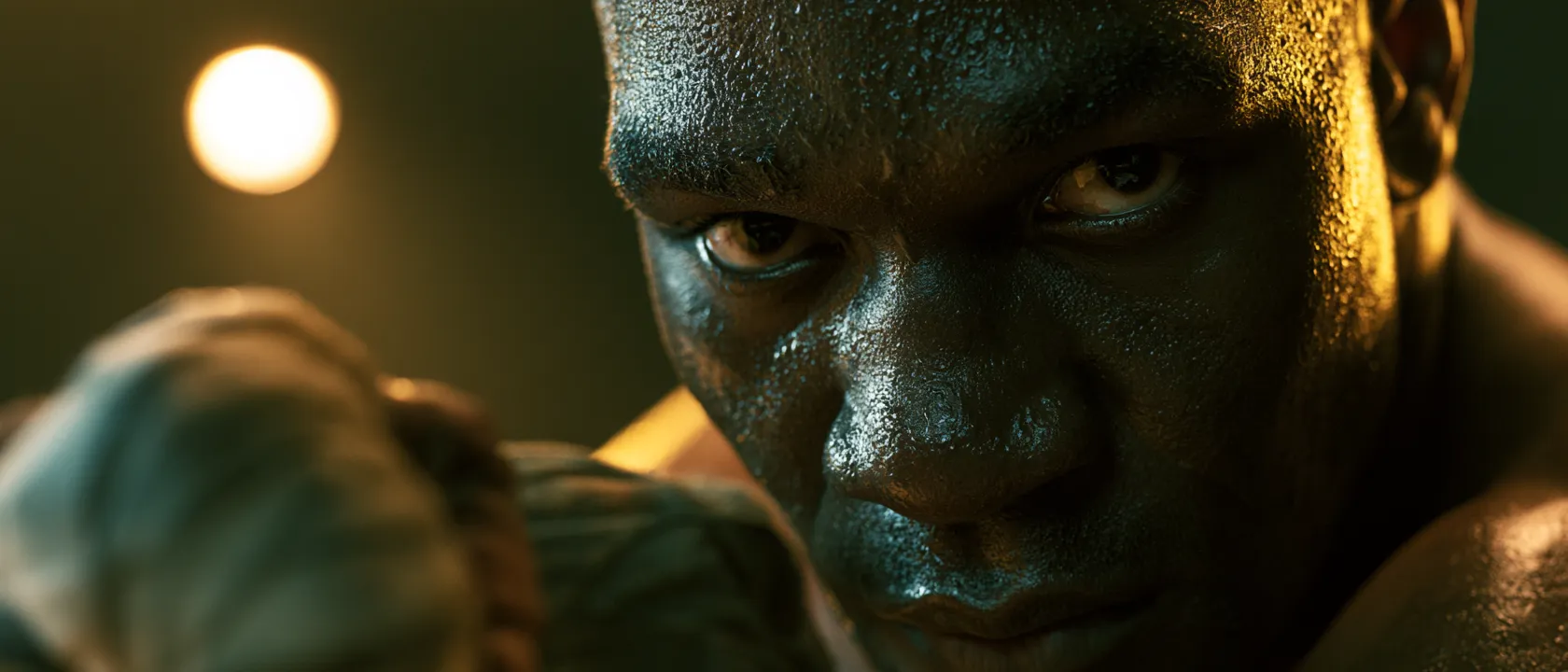
Middleweight Boxing
The middleweight division sits at 160lb and is the most balanced weight in boxing — enough power to end a fight, enough skill to take it the distance. That balance is the whole bet. Unlike the heavyweights, where one punch dominates the read, or the lightest classes, where the decision is almost a default, middleweight keeps both the method and the scorecard genuinely in play. Read a middleweight fight and the question is always the same: does the power land before the boxing takes over?
Why both markets stay live at middleweight
At 160lb a clean shot can finish, but the better fighters have the chin and the craft to survive one. That makes the stoppage rate sit in the middle — higher than welterweight, lower than the cruisers above. The favourite’s money-line price reflects a likely win without strongly assuming how it comes, which is exactly the gap a sharp bettor exploits: you’re pricing the manner of victory more accurately than the public.
A R100 money-line bet on a 1.50 favourite returns R150. If your read says he stops a come-forward opponent, his KO/TKO method at 2.30 turns that same R100 into R230 — the same result, at a price that respects the power the money line underplays.
Reading the style clash, not the names
This is the storied division — generations of great names and great fights — but the value never comes from reputation. It comes from the matchup.
| The read | The market to look at |
|---|---|
| Heavy puncher vs a chin that’s been cracked | KO/TKO method, mid-round band |
| Two skilled boxers, both durable | Goes the distance / win by decision |
| Pressure fighter vs a fader | Stoppage in the later rounds |
| Banger vs slick mover | The mover’s decision, if the price is fair |
The casual mistake is treating middleweight like heavyweight and over-backing the early knockout. At 160lb the elite-level chin holds far more often than the highlight reels suggest, and many of the division’s defining fights went the full 12.
When the distance is the value
When a card is sold on a middleweight’s punching power, the crowd leans into the early finish and the “goes the distance” price drifts out. Two complete boxers with sound defence turning it into a tactical 12 rounds is a regular middleweight outcome, not an upset.
A R100 “yes, goes the distance” bet at 2.00 returns R200, and it’s the contrarian side worth checking whenever both men have proven they can’t be rushed out. Read the durability and the ring IQ, not just the knockout count.
How to read a middleweight fight
The questions that decide the bet:
- Who has the real power, and who’s been stopped before? That pairing is your method and round read.
- Is the favourite a finisher or a points boxer? A banger is a method bet; a slick technician is a decision bet.
- Whose chin and conditioning hold late? Two durable men point to the distance.
- What’s the public leaning on? If they’re sold on the knockout, the decision and the distance are where value gets pushed.
Match the market to that read, never the names to a hunch. The step up in size and power is super middleweight, and the faster, more skill-led weight below is welterweight.
Bet the middleweights the smart way
The most balanced division in the sport rewards bettors who price the style clash, not the reputation. Back the method when power meets a fragile chin, take the distance when two technicians are being undersold, and respect how often the middleweight scorecard decides it. The live middleweight cards are at Scorebet.
Frequently asked
Is middleweight a knockout division or a decision division?
It's the most balanced weight in boxing — 160lb carries enough power that a stoppage is always a genuine threat, but enough skill that elite fights still reach the scorecards. That balance is exactly why both the method and the decision markets stay live, and why reading the specific matchup matters more here than at the extremes.
Why does the matchup matter so much when betting middleweight?
Because the division holds both heavy punchers and pure boxers, the same money line can hide value on completely opposite markets depending on who's fighting. A banger against a come-forward opponent points to the method; two technicians point to the distance. The names tell you nothing — the style clash tells you everything.
How many rounds is a middleweight title fight?
Middleweight world title fights are scheduled for 12 rounds, the championship distance across every division. Middleweight reaches those later rounds more often than heavyweight but less often than the lightest classes, which is what keeps the over/under-rounds market genuinely two-sided at 160lb.
Why are catchweight fights at middleweight a trap for the method markets?
A catchweight bout is agreed above or below the 160lb limit, and the man forced to drain down or the one allowed to come in heavier won't perform like he does at his natural weight. A drained fighter loses his usual power and chin, which can flip a method read entirely — so a KO line built on his record at the proper limit can be badly mispriced. Always check whether a middleweight fight is actually made at 160.
Why does a middleweight stepping up from welterweight often fade in the championship rounds?
Carrying a true 160lb opponent's pressure is heavier work than a man built at welterweight is used to, and the extra mass he's absorbing drains him deeper into a 12-rounder. A fighter who looks sharp early but has campaigned lighter is a live later-round stoppage or losing-decision read, which is exactly the kind of fade the over-rounds and opponent's-decision markets can pay for.