
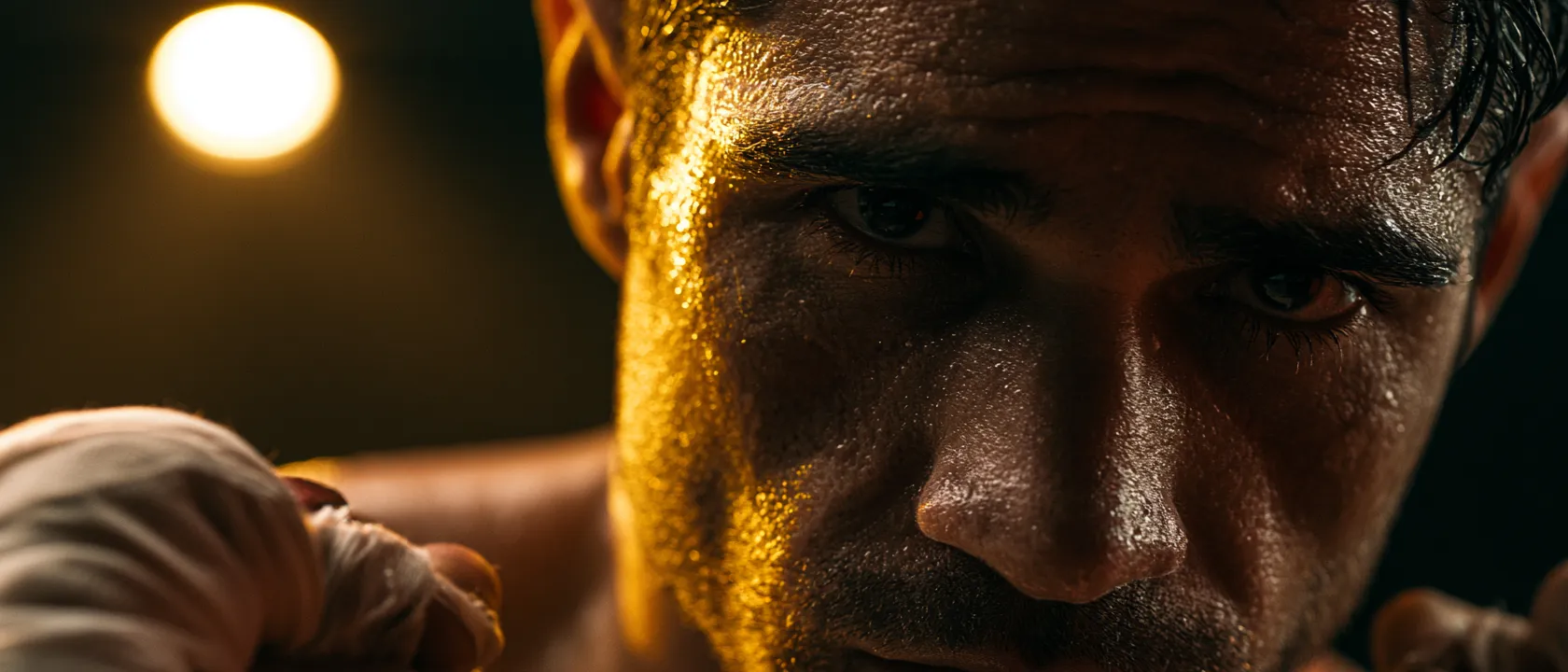
Heavyweight Boxing
The heavyweight division is boxing’s glamour act, and it bets differently from every weight below it for one reason: one punch ends it. When the men are this big, power overwhelms everything — chins, conditioning, game plans — and that single fact moves the value off the money line and onto the method, round and distance markets. Read a heavyweight fight and you’re really reading how fast, and how violently, it ends.
Why one-punch power changes the bet
In the lighter divisions a clean shot stuns; at heavyweight it finishes. The stoppage rate climbs sharply as the weight goes up, which means the favourite’s money-line price already bakes in the expectation that he’ll win — and often that he’ll win by knockout. So backing him at 1.30 to win by any means leaves value on the table. The smarter bet is usually the KO/TKO method, where the same fighter might be 1.70 or longer, because you’re pricing the manner the public assumes anyway but the money line underpays.
A R100 money-line bet on a 1.30 favourite returns R130. The same R100 on his KO method at 1.75 returns R175 — the same result you fancied, at a real price, because heavyweight fights deliver the stoppage often enough to make it the better side.
Round betting comes alive at heavyweight
Because the finish can land at any moment, round betting is more live here than in any other division. A big puncher against a fragile opponent is a genuine early-rounds candidate, and the long odds reward a sharp read. A “to win in rounds 1–3” on a heavy-handed favourite might be 3.50, so R50 returns R175 if it lands inside those rounds.
It still loses far more than it wins — round betting is a small-stake market everywhere, heavyweight included. But the difference at this weight is that the read is real: when a one-punch finisher meets a man who’s been stopped before, the early band has a genuine chance the price doesn’t always respect.
The distance is the contrarian play
The flip side of all that power is that the heavyweight crowd expects the knockout, which pushes the “goes the distance” and over-rounds prices out to value. When two big men with sound defence and proven chins meet — the kind of fight that turns into a cagey, jab-led 12 rounds — backing the distance can be the smartest bet on the card precisely because everyone’s piled onto the early finish.
A R100 “yes, goes the distance” bet at 2.40 returns R240, and it’s the side worth a hard look whenever a fight is being sold as a guaranteed knockout. Read the defence and the durability, not just the power.
How to read a heavyweight fight
The questions that decide the bet:
- Who carries the one-punch power, and who’s been stopped before? That pairing is your KO/TKO and early-round read.
- Has either man got a proven chin and a tight guard? Two of those points toward the distance.
- Is the favourite a finisher or a points fighter? A heavy-handed champion is a method bet; a slick mover who outboxes people is a decision bet even at heavyweight.
- What does the public assume? If the card is being sold as a certain knockout, the distance is where the value has been pushed.
Match the market to that read, never the names to a hunch. The full market breakdown is in boxing bet types, and the biggest heavyweight nights are the world title fights.
Bet the heavyweights the smart way
The glamour division is built for the method, round and distance markets — that’s where one-punch power turns a short favourite into a price worth taking. Back the KO when the power and the fragile chin line up, take the distance when the crowd’s overpaying the knockout, and keep the round bets small. The live heavyweight cards are at Scorebet.
Frequently asked
Why bet the method instead of the winner at heavyweight?
Because heavyweight fights end in a stoppage far more often than the lighter divisions, the KO/TKO method is frequently the value side of a favourite who's too short on the money line. One clean punch from a big man ends most fights, so the method market is where your read on power actually pays.
Are heavyweight fights more likely to end in a knockout?
Yes — the bigger the men, the more a single shot ends it, so heavyweight bouts have a higher stoppage rate than the lighter classes. That's why the under-rounds and KO-method markets carry more value at heavyweight than anywhere else on the card.
How many rounds is a heavyweight title fight?
Heavyweight world title fights are scheduled for 12 rounds, the same as every other division's championship distance. But they reach the later rounds far less often, because the knockout threat is so high — which is exactly what makes the over/under-rounds market live.
Why does the lack of a weight ceiling matter so much when betting heavyweight?
Heavyweight is the only division with no upper limit, so two fighters can differ by 15 or 20 kilos of fight-night weight — and that raw mass gap doesn't show up in the money line as clearly as it does in real punching outcomes. A much bigger man landing flush ends it, which is why a size mismatch is often better expressed through the KO method than a short winner price.
Why are heavyweights more prone to fading in the championship rounds than smaller fighters?
Carrying that much muscle burns oxygen fast, so heavyweights gas harder and earlier than lean lighter men, and a fight that reaches rounds nine to twelve can swing on conditioning rather than power. When two big men with suspect engines meet, a late stoppage or a sudden tide-turn becomes a live read — worth weighing against an over-rounds price that assumes the early fireworks decide it.